Kitchen Upgrades and Design Trends That Add Value to Your Home

If you’re updating your kitchen with resale in mind, you’re already focused on the right room. In Southeast Michigan, realtors consistently point to kitchens as a major driver of buyer interest. The key is combining smart, value-boosting upgrades with today’s most in-demand design choices.

What Buyers Want Right Now

Most homeowners (81%) change their kitchen style during a renovation, and the trend is shifting back toward warmer, more classic looks. Traditional kitchens are making a strong comeback, rising to about 14% of remodels, while transitional remains the top choice at 25%. Modern and contemporary styles are holding steady, and farmhouse style continues to decline.

Altogether, kitchens are getting bigger and bolder. About 35% of homeowners are expanding their kitchen footprint, often borrowing space from dining rooms or living rooms, while others build additions to create the open, multifunctional kitchens people love. Backsplashes are also becoming major design statements, with full-height tile now the most common choice and ceiling-high designs growing in popularity.

Upgrades Realtors Say Add the Most Value

These are the improvements that typically deliver the strongest return and align with current buyer expectations:

  1. New flooring: Old, mismatched, or damaged floors drag down value fast. Seamless flooring, especially hardwood or quality wood-look options, immediately improves first impressions.
  2. Fresh, neutral paint: A professional repaint in warm whites, soft grays, or creams brightens the space and makes it feel move-in ready.
  3. Updated cabinets (paint, reface, or replace): Cabinets set the tone for the whole kitchen. If the boxes are solid, repainting or refacing delivers high-end impact for less. Soft-close hinges and drawers add a premium feel.
  4. Modern cabinet hardware: One of the simplest upgrades with the biggest visual payoff. New pulls and knobs can refresh the entire kitchen quickly.
  5. Matching appliances: A coordinated appliance package makes kitchens photograph better and feel more finished. Stainless steel is still the buyer favorite, and matching finishes matter.
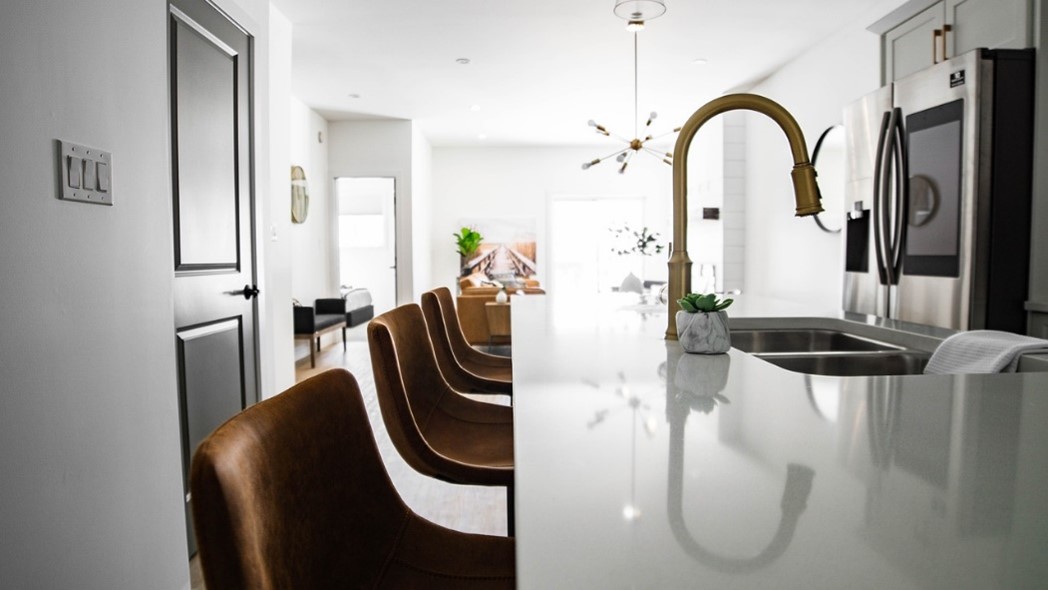
  6. A modern sink faucet: A clean-lined, pull-down, or touchless faucet is a low-cost upgrade that signals an “updated kitchen” to buyers.
  7. Lighting that fits the style: Replacing dated fluorescent or builder-grade fixtures is usually worth it. Stick to timeless, high-quality fixtures over overly custom designs.
  8. A kitchen island (when layout allows): Islands are still high on buyer wish lists for prep space, storage, and gathering. If space is tight, a movable island can add function without hurting flow.
  9. Quality countertops: If you have laminate or low-end surfaces, upgrading is a strong value move. Durable stone or quartz keeps your kitchen aligned with today’s expectations.
  10. A clean, full-coverage backsplash: Since backsplashes are trending larger and more dramatic, upgrading a dated or missing backsplash is a smart choice. Neutral ceramic or porcelain tile keeps it buyer-friendly while looking current.

Value-Focused Budget

Kitchen spending varies widely. High-end remodels can go far above average, especially in larger kitchens, but you don’t need a luxury budget to get a meaningful return. The best strategy is choosing improvements that buyers notice first: flooring, cabinets, lighting, and surfaces.

______________

JFC Remodeling is committed to providing top-quality home reconstruction services to clients throughout Livingston County. With over 30 years of experience in the industry, our licensed contractors create unique, individualized, and polished renovations. Whether the site requires improvement, repair, or is a new construction, you can trust our experts to deliver remarkable results. Call or email us to learn more.

Written by the Digital Marketing Team at Creative Programs & Systems: https://www.cpsmi.com/.

Tips to Help You Prepare for a Home Remodel

Embarking on a home remodel is an exciting adventure, but it requires careful planning to ensure the process goes smoothly. Whether you’re looking to update your kitchen, add a new bathroom, or pursue a complete overhaul of your space, here are some tips to help better prepare you for a successful remodeling project.

1. Do your research

Before diving into any remodel, it’s important to understand the scope of your project. Research what the average investment is for your type of remodel and get an idea of your expected Return on Investment (ROI). This will not only help you set realistic expectations but also allow you to plan accordingly, ensuring your remodel adds long-term value to your home.

2. Consider your long-term goals

Think beyond the current trends and focus on your long-term needs and desires for your home. A remodel should align with both your current lifestyle and future plans. Whether you’re planning to stay in your home for decades or hoping to increase its market value for resale, planning for the future will ensure your remodel continues to meet your needs.

3. Establish a budget

One of the most important steps in any remodeling project is setting a clear budget and sharing it with your contractor once you’ve selected one. Be upfront about your financial limits so you can work as a team to create a plan that respects your budget. At JFC Remodeling, we prioritize transparency and will guide you in making cost-effective decisions without compromising on quality.

4. Search for trusted, reputable professionals

Start by asking people you trust for recommendations. Beyond word-of-mouth, use advanced search tools and platforms to review remodelers, check their portfolios, and read client reviews. Finding a qualified professional will ensure that your vision is in capable hands.

5. Ask the ‘right’ questions when considering a contractor

While timelines and costs are key considerations, it’s just as important to inquire about the remodeler’s specialties and experience. Ask about previous projects similar to yours and how they handle challenges. At JFC Remodeling, we’re more than happy to discuss our expertise and show you how we’ve successfully completed projects similar to yours.

6. Check credentials

Do your due diligence by calling references and reading online reviews. This will give you a better understanding of what it’s like to work with your remodeler and help you feel more confident in your decision.

7. Thoroughly read the contract!

Contracts are legally binding documents meant to protect both parties. It’s essential to review every detail carefully and read the entire contract. Ask questions if something is unclear, and request revisions or amendments for any content you disagree with. Be sure to speak up and advocate for yourself as a homeowner, while remaining respectful. Most contractors are happy to clarify any points to ensure everything is clear before moving forward.

8. Know your design

The design is the heart of your remodel, so take your time browsing online and collecting ideas that resonate with you. Whether it’s a specific color scheme, layout, or material, understanding what you like—and sharing it with the remodeler—helps ensure your vision comes to life exactly as you imagine.

9. Choose your design selections early

Making decisions early on helps keep the project on schedule. From materials to finishes, selecting items in advance ensures we can source everything on time and avoid delays. Proactive decision-making helps keep your project moving smoothly and ensures you get the results you expect.

10. Develop a communication plan

Effective communication is key to any successful project. Establish clear lines of communication with your contractor and make sure both parties understand how updates will be provided. Regular check-ins throughout the process will help ensure everything stays on track and allow you to address any questions or concerns as they arise.

Remodeling your home can be stressful and overwhelming at times; however, with careful planning and the right professional support, the process can also be exciting and rewarding. At JFC Remodeling, we’re dedicated to bringing your dream vision to life while respecting your budget and timeline.

Ready to start your remodel? Contact us today, and let’s make your dream space a reality!

JFC Remodeling is committed to providing top-quality home reconstruction services to clients throughout Livingston County. With over 30 years of experience in the industry, our licensed contractors create unique, individualized, and polished renovations. Whether the site requires improvement, repair, or is a new construction, you can trust our experts to deliver remarkable results. Call or email us to learn more.

Written by the Digital Marketing Team at Creative Programs & Systems: https://www.cpsmi.com/.

Top Home Renovations to Boost Value in 2025

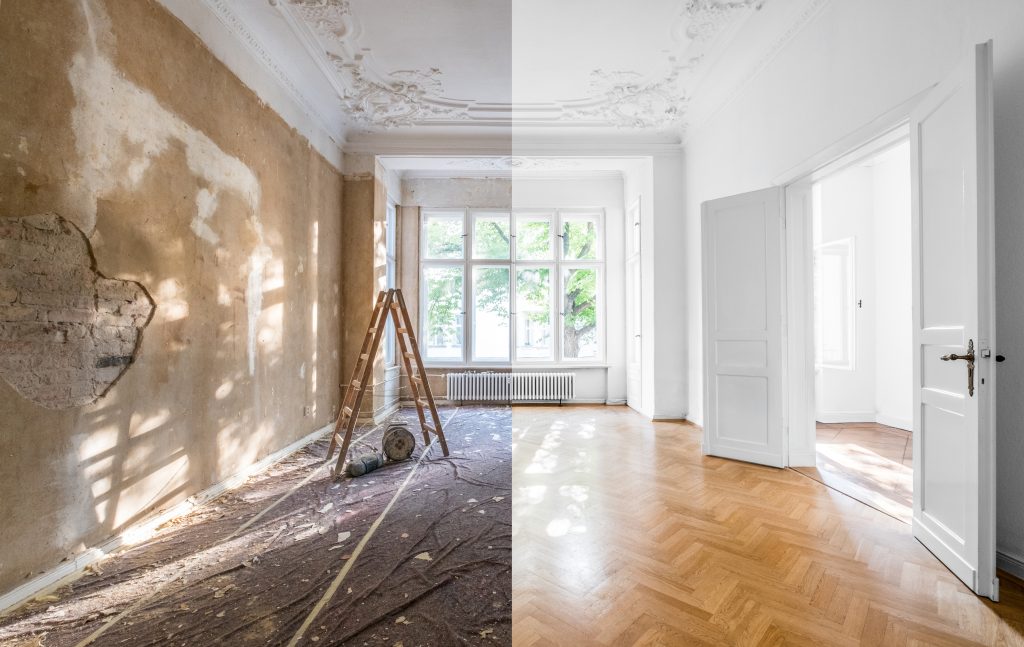
renovation concept – apartment before and after restoration or refurbishment –

With mortgage rates steady around 6%, homeowners are focusing on upgrades. But not all renovations offer the same return. Whether you’re selling or simply enhancing your living space, choosing the right projects is key.

Here’s a quick guide to the renovations that will help increase your home’s value in 2025.

1. Enhance Curb Appeal:

First impressions matter. Basic yard care, like mowing the lawn and adding mulch, is a great start. For higher impact, consider updating your siding or replacing the garage door, which can add 5-10% in value. Adding outdoor lighting and a new deck can also yield great returns.

2. Optimize Your Floor Plan:

Increasing livable space can boost your home’s value. Open up your floor plan by connecting kitchens to living areas or adding walk-in closets. Converting an unfinished basement or unused spaces into livable areas offers an ROI of 70-75%.

3. Upgrade Your Bathroom:

Modern, spa-like bathrooms appeal to buyers. Features like rain showerheads, double-sink vanities, and soaking tubs are in high demand. Even minor updates, such as reworking the layout or adding mirrors, can make your bathroom feel larger and more luxurious.

4. Remodel Your Kitchen:

The kitchen remains the heart of the home. Adding a kitchen island or walk-in pantry can increase functionality. Mid-range kitchen remodels recover 96.1% of their cost, making them one of the best investments.

5. Convert or Add a Home Office:

With remote work becoming more common, a dedicated office space is highly sought after. Whether it’s a closet conversion or a spare room turned into an office, this small renovation can make a big difference.

6. Expand Your Outdoor Space:

While not as lucrative as in recent years, outdoor spaces still provide value. Adding a deck, patio, or pool can increase your home’s appeal, especially if you live in a warmer climate. A wood deck can recoup 68-83% of its cost.

7. Make Your Home Accessible:

Consider modifications for aging-in-place or multigenerational living. An accessory dwelling unit (ADU) can add 20-25% to your home’s value. While costly, an ADU offers rental income potential and is highly valued in today’s market.

8. Improve Your Mudroom:

A functional mudroom is a welcome addition, particularly in colder climates. Adding a bench, hooks, or cubbies creates a useful space with a 50% ROI.

9. Small Changes with Big Impact:

Simple updates, such as fresh paint, fixing leaks, or refinishing wood floors, can offer great returns. Refinishing wood floors, in particular, has an ROI of 147%.

Invest in Your Home Renovations Wisely

Not every renovation will add value, but focusing on what buyers want can boost your resale potential. Consult a local real estate agent to determine which projects will benefit your home the most.

Ready to maximize your ROI? Schedule a consultation with a licensed and insured contractor who guarantees their work. Contact JFC Remodeling today!

____

JFC Remodeling is committed to providing top-quality home reconstruction services to clients throughout Livingston County. With over 30 years of experience in the industry, our licensed contractors create unique, individualized, and polished renovations. Whether the site requires improvement, repair, or is a new construction, you can trust our experts to deliver remarkable results. Call or email us to learn more.

Written by the Digital Marketing Team at Creative Programs & Systems: https://www.cpsmi.com/.

Biophilic Design: Transforming Spaces by Integrating Nature

Biophilic design is revolutionizing interior design by integrating nature into our daily environments, aiming not just to enhance aesthetics but to forge a deeper connection between our living and working spaces and the natural world. This approach goes beyond mere decoration, tapping into our innate affinity for nature to boost well-being and productivity, thus transforming spaces into health-supportive and serene refuges.

Core Principles of Biophilic Design

  • Embracing Natural Light: Utilizing natural light through strategic placement of windows and skylights not only invites brightness deep into our living spaces but also aligns with sustainable practices. Natural light enhances your mood, connects you with nature, and reduces your reliance on artificial lighting.
  • Integrating Natural Materials: Incorporating elements like wood, stone, and plants brings the outdoors inside, fostering a tangible connection to nature while promoting sustainability. Consider materials such as bamboo flooring or granite countertops for a tactile connection to nature.
  • Fostering Indoor Greenery: Indoor plants are living, breathing specimens of the natural world. Skillfully placing greenery throughout your home or office not only beautifies the aesthetics but also improves air quality, reduces stress, and uplifts your mood, enhancing a harmonious living space.

Innovative Architectural Elements

  • Living Walls and Vertical Gardens: These green features transform walls into vibrant tapestries that clean the air and visually break the barrier between indoors and out. Whether it’s a vertical garden or a moss wall, these living wall hangings will redefine conventional boundaries.
  • Atriums and Open Spaces: These features invite the outdoors in, creating breathable, open indoor spaces within our architecture. Often filled with natural light and greenery, these versatile areas encourage relaxation and daily interaction with nature.
  • Water Features and Natural Sounds: Integrating water elements within your home or office enhances your sensory experience. The soothing sounds and visual appeal of flowing water creates a calming element by masking background noise, thus helping to reduce stress. Choose a simple tabletop fountain or go big with an indoor waterfall!

Impactful Applications

  • Residential Spaces: Homes with biophilic designs are sanctuaries that connect residents with nature through elements like floor-to-ceiling windows and natural materials. By creating tactile and visual connections to nature, these designs enhance tranquility and well-being in daily life.
  • Commercial Spaces: Offices employing biophilic design principles, such as open atriums with native plants, promote productivity and a positive work environment. This demonstrates that biophilic design is pivotal in transforming contemporary work environments.

DIY Biophilic Design Tips

  • Start with Indoor Gardening: Choose plants that fit your living environment and understand their care needs to successfully bring greenery indoors. Suggestions for success involve selecting the appropriate soil, knowing the watering requirements of each plant, and situating them in locations where they can flourish, whether that’s a sunny windowsill or a shaded nook.
  • Use Natural Materials in Decor: Gradually incorporate natural elements like wood and stone to enhance warmth and texture until you find the right balance for your aesthetic preferences. Include items with various shapes and patterns to add dimension to your space.
  • Maximize Natural Light: Add warmth by arranging your living space to capture natural light. Use reflective surfaces such as mirrors to help distribute light, or install sheer window treatments, and consider installing skylights to maximize the effect.

Biophilic design is more than a trend; it’s a sustainable, wellness-focused approach that enriches our spaces and lives by deepening our connection to nature. As we look to the future, integrating biophilic principles offers a path to not only a more beautiful and pleasing aesthetic but also healthier and more fulfilling living and working environments.

If you’re looking to transform your living space into a serene refuge, contact JFC Remodeling. We are a licensed contractor committed to providing top-quality home reconstruction services.

JFC Remodeling is committed to providing top-quality home reconstruction services to clients throughout Livingston County. With over 30 years of experience in the industry, our licensed contractors create unique, individualized, and polished renovations. Whether the site requires improvement, repair, or is a new construction, you can trust our experts to deliver remarkable results. Call or email us to learn more.

Written by the Digital Marketing Team at Creative Programs & Systems: https://www.cpsmi.com/.

The Best Flooring Options According to The Good Housekeeping Institute

Animated image of a lightbulb person trying to decide which of the three doors to choose, representing flooring options.

The Good Housekeeping Institute, established in 1900, emphasizes the importance of flooring and has extensively tested a variety of materials. These range from traditional wood and stone to modern alternatives like vinyl and engineered wood, as well as more recent trends such as concrete and wood-look porcelain. We share their findings in this blog article, providing an overview of the primary options including their advantages, drawbacks, and approximate costs. It is recommended to invest more in areas of your home that experience high traffic and visibility, while opting for more cost-effective, durable materials in other spaces—a strategy that has stood the test of time.

Hardwood flooring comes in two primary types: solid wood, which is made from a single piece of wood, and engineered wood, which consists of a real wood veneer atop structural plywood. Popular choices include oak, ash, maple, and walnut, available in up to fifty species.

  • Pros: Hardwood floors offer timeless warmth and beauty and can be sanded and refinished multiple times, allowing solid wood floors to last for decades or even centuries.
  • Cons: The primary drawback is the cost, with hardwood generally being more expensive, though prices vary by species. It’s also prone to dents, scratches, and in the case of solid wood, damage from humidity changes, such as cracks and squeaks. Engineered wood is more resistant to moisture, making it a better choice for areas like kitchens and basements.
  • Costs: Installation costs for solid wood flooring range from $5 to $10 per square foot, while engineered wood flooring costs between $4 to $9 per square foot.

Laminate flooring is an engineered option that uses a photographic layer of wood (or stone) under a protective plastic coating, supported by a dense fiberboard substrate.

  • Pros: Laminate flooring is highly durable, resistant to scratches and dents, and is one of the most affordable flooring types. It often features a DIY-friendly “floating” floor system where planks snap together without needing nails or glue.
  • Cons: Laminate doesn’t convincingly mimic real wood or stone due to its plastic feel and repetitive patterns. It cannot be refinished, limiting its lifespan compared to other flooring types. Additionally, the use of formaldehyde and other chemicals in its production raises health and environmental concerns.
  • Cost: Installation costs range from $3 to $7 per square foot.

Vinyl flooring also known as resilient flooring, is the fastest-growing flooring category. It ranges from budget-friendly, DIY peel-and-stick tiles to luxury vinyl tile (LVT), which features multiple layers including a high-definition printed design, a durable top layer, and several cushion layers.

  • Pros: Vinyl flooring is very affordable at the entry level. All vinyl types are stain, scratch, and dent-resistant, and waterproof, making them suitable for wet areas like basements and bathrooms. Installation is straightforward, especially for adhesive tiles and floating planks. LVT is robust and mimics the look and feel of real wood so closely that experts often struggle to tell the difference.
  • Cons: Despite improvements in appearance, vinyl, including LVT, won’t satisfy purists as it can’t perfectly replicate real wood or stone. It also can’t be refinished; once worn, it must be replaced. Surprisingly, LVT can be as costly as real wood.
  • Cost: Prices range from $2 to $6 per square foot, installed.

Carpet remains the largest flooring category in the U.S., despite losing some market share to resilient flooring. Most U.S.-sold carpet is tufted, typically featuring nylon fibers through a polyurethane backing. In contrast, woven carpet, more prevalent in Europe, is made from lengths of yarn, often wool, and is considerably more expensive than tufted types.

  • Pros: Carpet is the most comfortable and cost-effective flooring option, available in a vast array of colors and patterns. It’s easy to install and maintain, with regular vacuuming usually sufficient. Stain-resistant carpets are particularly low-maintenance.
  • Cons: The main drawback of carpet is its tendency to trap dirt and dust, which can aggravate allergies. Woven carpets are less prone to this issue due to their construction, which leaves fewer places for dirt to accumulate. Additionally, wool carpets are anti-static, reducing dust attraction compared to nylon tufted carpets.
  • Cost: Prices range from $3 to $10 per square foot, installed.

Stone flooring, like wood, is a classic flooring material that often increases home value. There are three main types of stone used in flooring: sedimentary stones like travertine and limestone, formed from mineral layers and marine organisms; igneous stones like granite, created through extreme heat and volcanic activity; and metamorphic stones like marble and slate, which transform under intense heat and pressure.

  • Pros: Stone flooring offers unique character due to the natural variation in each piece, making each installation one-of-a-kind. It’s durable, capable of withstanding heavy traffic and sunlight without fading, and doesn’t harbor dust or allergens.
  • Cons: Stone flooring is expensive and typically requires professional installation. It’s hard underfoot, which means dropped items like dishes will likely break. Additionally, many stone floors need to be sealed to prevent stains.
  • Cost: Installation costs range from $3 to $7 per square foot.

Concrete flooring: High-end builders and designers have adopted concrete not just for its utilitarian qualities but as a fashion-forward material for flooring and kitchen countertops. Concrete floors can be the typical institutional gray or be transformed with dyes and surface treatments like acid stains or rubber-stamp stencils, offering a unique aesthetic.

  • Pros: Concrete floors are highly durable and easy to maintain, especially when properly sealed during installation. They conduct heat efficiently, making them suitable for systems with radiant heating, where hot water tubes are embedded beneath the floor.
  • Cons: Due to its customization, concrete flooring is expensive and requires professional installation. The material is extremely hard, which can be unforgiving on dropped items, and it requires resealing approximately every year to avoid stains.
  • Cost: Installation costs range from $3 to $8 per square foot.

Tile flooring comes in two primary types: ceramic and porcelain. Ceramic tiles are made from a blend of water and sand, making them softer and more affordable. Porcelain tiles are crafted from finer, denser clay and fired at higher temperatures, making them harder and less porous.

  • Pros: Tile flooring offers a timeless appearance and is available in numerous colors and designs, ranging from mosaics to large-format tiles with minimal grout lines. All tiles are waterproof and require low maintenance. Porcelain tiles are particularly durable, resistant to scratches and dents.
  • Cons: The main challenge with tile flooring is its installation, which typically involves laying the tiles in mortar on a smooth, stable base. This process can be complex, usually requiring professional installation. Porcelain tiles are also comparatively expensive, costing about as much as solid wood flooring.
  • Cost: Prices range from $4 to $15 per square foot, installed.

Cork flooring is a renewable material sourced from the bark of cork trees, prized by some for its unique qualities. However, it varies significantly in grade and characteristics, so be sure to purchase from a specialized flooring dealer to ensure optimal performance.

  • Pros: Cork is lightweight and soft, making it one of the most comfortable flooring options. It’s water-resistant and remains non-slippery when wet, suitable for kitchens and bathrooms. Additionally, cork is non-toxic and environmentally friendly.
  • Cons: Cork can fade when exposed to strong sunlight. Lower-quality cork can be easily damaged, showing signs of wear from heavy traffic, furniture, and pets.
  • Cost: Installation costs range from $5 to $14 per square foot.

Linileom flooring, an all-natural flooring made from linseed oil and wood products, offers a sustainable and unique alternative to vinyl, though it’s less common. It’s typically chosen by more discerning customers for use in kitchens, bathrooms, or new home gyms.

  • Pros: Its sustainable qualities make linoleum highly appealing, along with its retro charm and a broader range of styles and colors available in recent versions. Linoleum is comfortable underfoot due to its softness and is resistant to fading from sunlight.
  • Cons: Linoleum is not as robust as vinyl, wearing down under heavy foot traffic and susceptible to scratches and dents. While a wax finish can protect the surface, it requires additional maintenance.
  • Cost: Prices range from $3 to $7 per square foot, installed.

How to Choose the Best Flooring

The Good Housekeeping Institute experts are always paying attention to the marketplace to identify the flooring materials you’re most likely to find at home centers, independent showrooms, and online. They regularly attend trade shows and industry events to keep up with the latest trends and innovations. When it comes to hands-on testing, they focus on brands with a proven track record of performance and reliability. They conduct stain tests in their labs to determine how well materials resist substances like mustard and wine. They also perform abrasion tests to ensure materials can withstand scratches and conduct drop tests to measure their resistance to dings and dents. Their engineers review technical data from manufacturers related to performance, safety, and sustainability. Additionally, they use the flooring materials for actual installations in consumer testers’ homes to see how they perform under real-world conditions.

What Flooring is Best for You?

Flooring uniquely combines aesthetic and practical functions in a home. Not only is it a significant design element, akin to paint colors and furniture, but it is also something you walk on every day. Redoing floors can be a major investment, comparable to buying a new car or kitchen appliances, so be sure to take the necessary time to invest in the best option for you.

Need help deciding what flooring option is best for you, your budget, and your living environment? Contact JFC Remodeling for expert advice and polished, detailed flooring work.

JFC Remodeling is committed to providing top-quality home reconstruction services to clients throughout Livingston County. With over 30 years of experience in the industry, our licensed contractors create unique, individualized, and polished renovations. Whether the site requires improvement, repair, or is a new construction, you can trust our experts to deliver remarkable results. Call or email us to learn more.

Written by the digital marketing team at Creative Programs & Systems: www.cpsmi.com